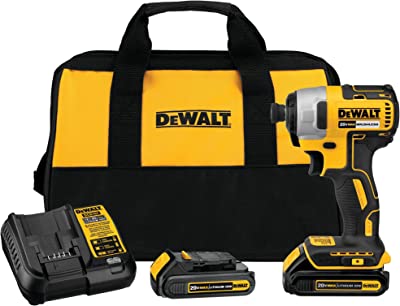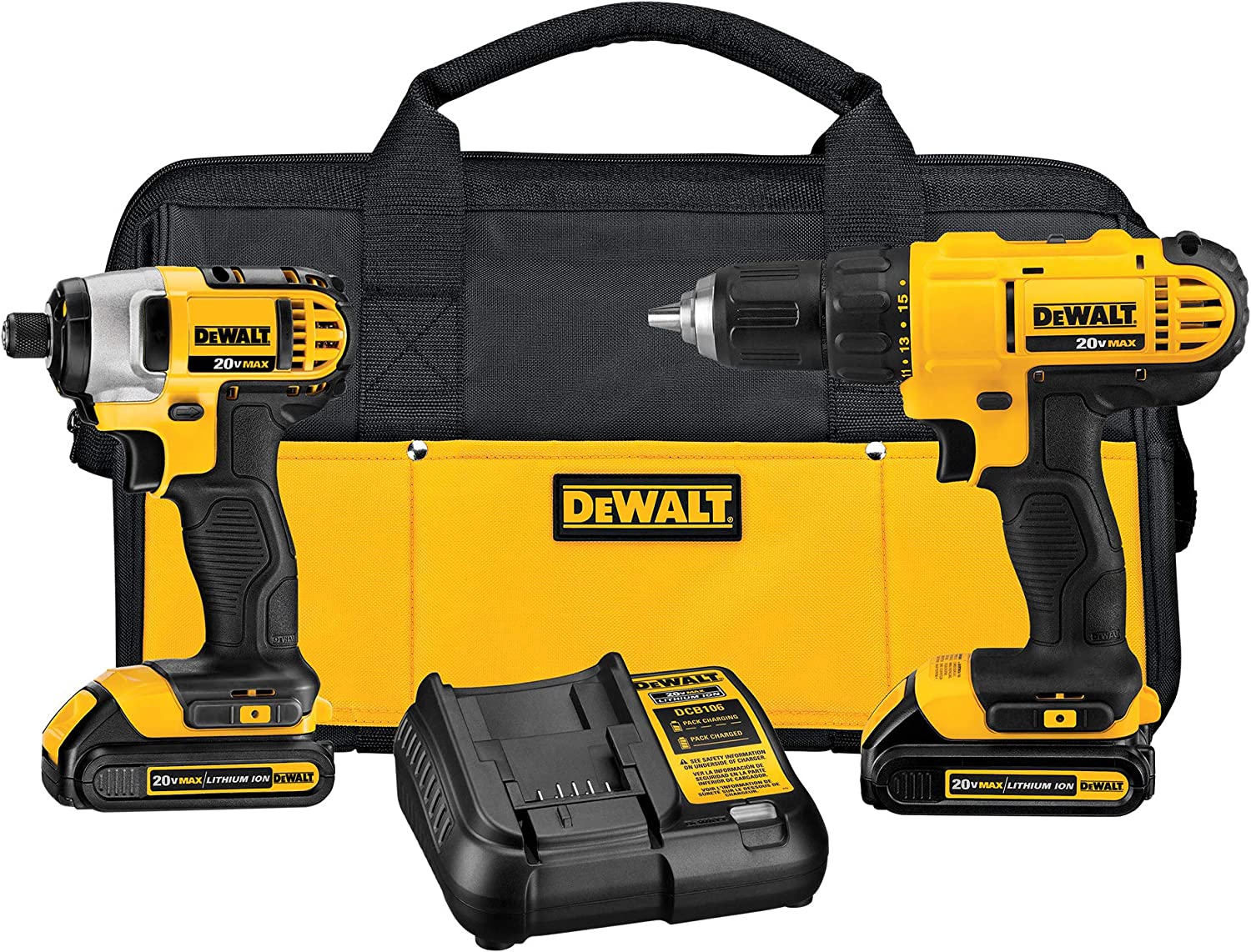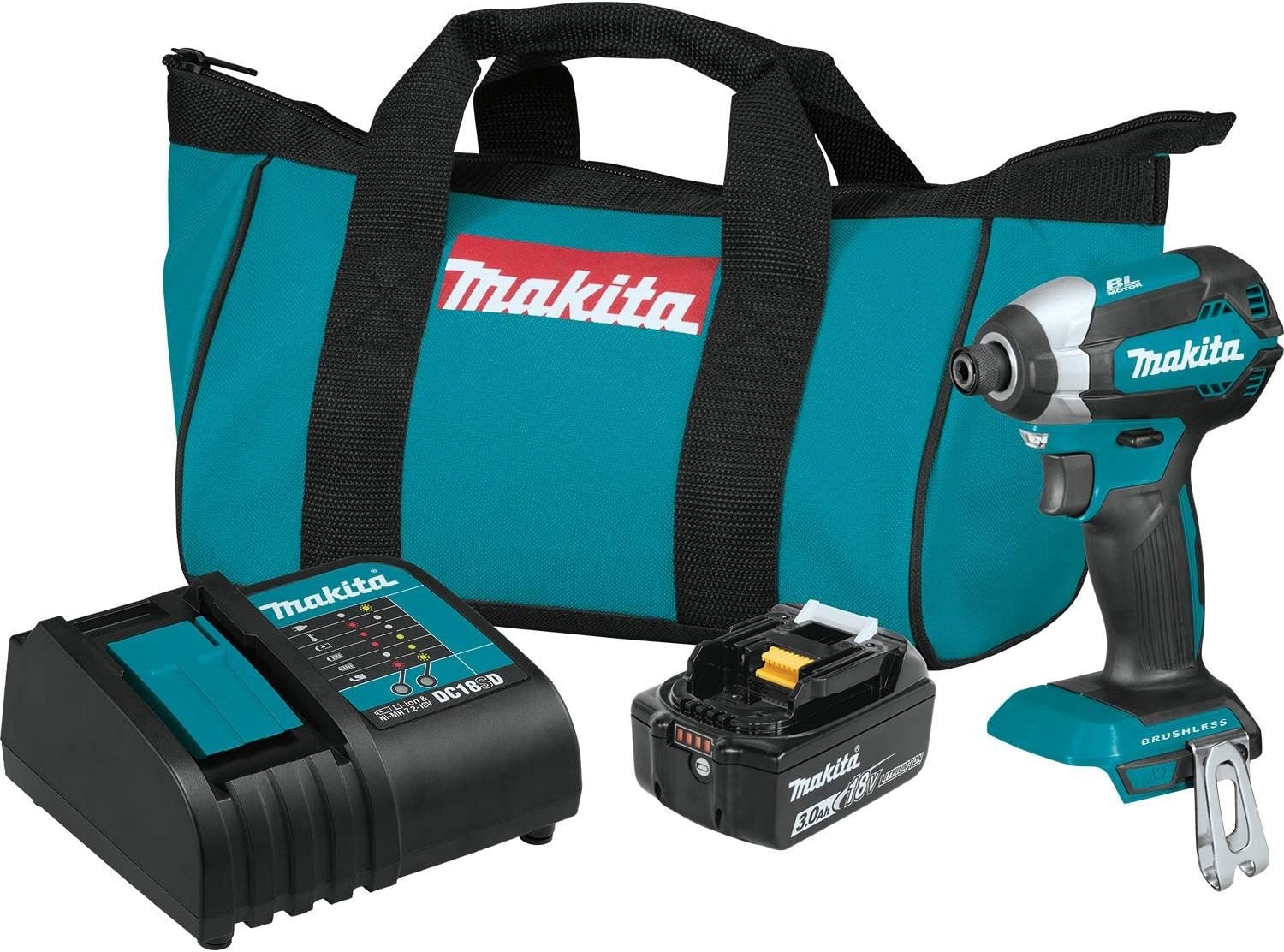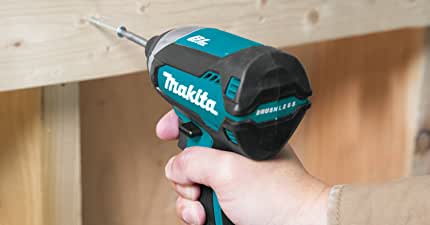
So what is an impact driver used for and should I have one? Good question. Ask any tool guy if you need an impact drive and he will answer with a resounding yes. Still a fair question is what would I use it for. Let’s take a look at what an impact driver is and compare it to its closest counterpart a cordless drill. You will see there is a definite difference between a cordless drill and an impact driver.
For years cordless drills have been sold as drill/drivers. So they are used just as the name would indicate, to drill holes and drive screws. For the most part a drill does a good job of both in most instances. On your drill you have a standard chuck that will hold a drill bit or a bit holder that can accept bit tips and sockets. An impact driver is not a drill, it is primarily a driver. Instead of a standard chuck an impact driver usually has a ¼” bit holder that hold magnetic sockets as well as bit tip holders and a variety of drive bits. The bits just click in. While you will find drill bits that will click into an impact driver, that really isn’t their strong suit. What really makes the tool different than a drill driver is how it drives the fastener. Impact drivers will have a distinct rat a tat tat sound while under load. This is the result of the tool using an anvil and hammer set up that turns the impact of the mechanism into useable rotational force that can develop much more drive force than a standard cordless drill/driver. So to keep it simple, if you had both, you would use the drill primarily for drilling holes and the impact driver for driving in screws and fasteners. I have both available and I actually use the impact more than my drill. While I do drive screws from time to time with my drill, my go to for fasteners and screws is the impact.
Where the impact driver will really help you out is driving larger screws like lag screws. While a drill driver will struggle to drive in a 3/8” lag, an impact driver will drive it home no problem. The speed of the impact driver is also helpful in any type of production environment, like building a deck. The RPM of the driver is also nice when using self-drilling screws into steel. Assembly and service work are also much faster and easier with the impact driver. You will experience less stripping of screws and it will also be useful when breaking loose stubborn screws. The tool is lighter than a drill as well which is always a plus. A word of caution. The tool does develop a fair amount of torque so use a little common sense or you may find yourself snapping off screws.
I hope that gives you a good idea of what an impact driver is used for. I have never heard of anyone regretting the purchase of one. If you are not sure if you want a 12V or 18V impact driver, you can find more info here. I have both an 18V and a 12V and I use them both a lot.
What’s The Difference Between A Cordless Drill And An Impact Driver
Where An Impact Driver Does Well
Final Thoughts On The Impact Driver And It’s Uses