Tapcon vs Ramset: Compare speed, strength, cost, and best uses to choose the right fastener for your basement framing project. I have spent over 30 years selling power tools and fasteners that are used in fastening to concrete. I have had many conversations and projects where the question is asked, “which is better, Tapcon or Ramset?”. Here is a little info culled out of the many conversations I have had with contractors over the years that will help you decide which of these options is better for your basement buildout or other applications.
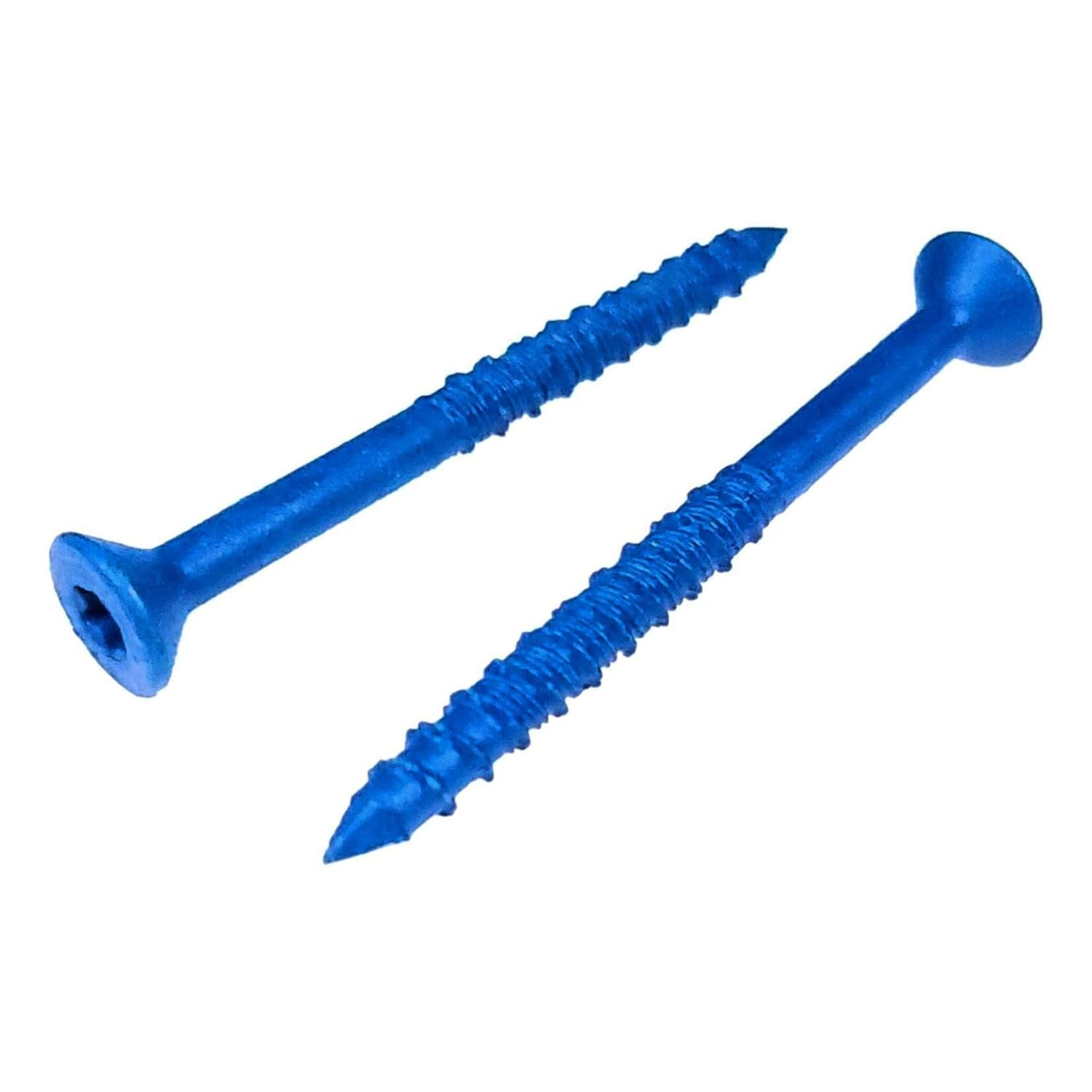
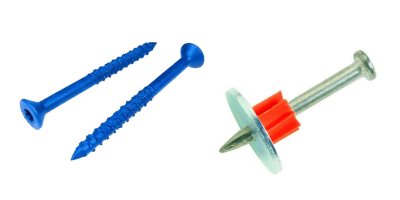
Tapcon concrete screws have been around for decades. They are, essentially, specialized concrete screws. Installation is fairly straightforward: drill the appropriate size hole to a depth about an inch beyond the embedment, then drive the screw in. While some people complain about Tapcon screws stripping or snapping, that issue is usually caused by using the wrong size fastener or drilling the wrong size hole. Selecting the correct Tapcon depends on your lumber. A concrete screw should be ¾” to 1-¼” longer than the material you are fastening. The most common lumber used in basement framing is 2x material, which measures 1-1/2” in actual thickness. So, the proper Tapcon screw for a 2x is 2-3/4”. If you are using ¾” lumber, you would use a 1-3/4” anchor. Make sure you drill the correct size hole. For a ¼” Tapcon, drill a 3/16” hole; for a 3/16” Tapcon, drill a 5/32” hole. Typically, the screws are packaged with the correct bit. In either case, drill about 1-1/2” into the concrete to allow space for dust. You can find more about the correct size selection in this post You also have a couple of options. First is size: ¼” or 3/16”. I recommend ¼” because it is less likely to snap and offers better holding power. Then you can choose between hex head or flat head. Hex head works well for plates, while flat head is better for furring strips since it sits flush. The original Tapcon brand, along with most others on the market, has a coating approved for ACQ-treated lumber.
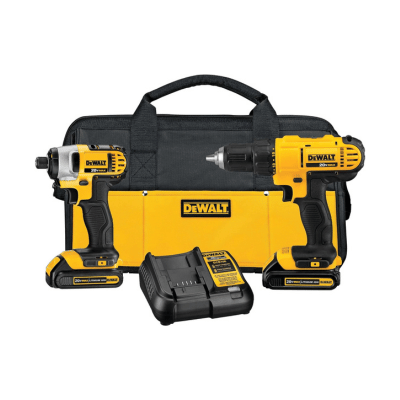
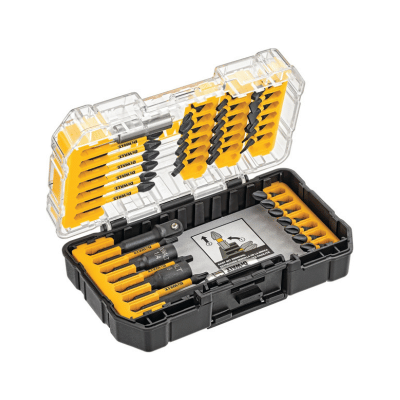
You will need a hammer drill or rotary hammer to drill the hole for your Tapcon screws. Remember: a 3/16” bit for ¼” Tapcon and a 5/32” bit for 3/16” Tapcon. Your hammer drill can also drive the screws, but an impact driver does a better job. A ¼” hex Tapcon has a 5/16” head, while a 3/16” Tapcon has a ¼” head. Flat heads typically use a #3 Phillips or T30 Torx for ¼”, and a #2 Phillips or T25 Torx for 3/16”. The most common lumber used in basement framing is 2x material, which measures 1-1/2” in actual thickness. So, the proper Tapcon screw for a 2x is 2-3/4”. If you are using ¾” lumber, you would use a 1-3/4” anchor. Make sure you drill the correct size hole. For a ¼” Tapcon, drill a 3/16” hole; for a 3/16” Tapcon, drill a 5/32” hole. Typically, the screws are packaged with the correct bit. In either case, drill about 1-1/2” into the concrete to allow space for dust. You also have a couple of options. First is size: ¼” or 3/16”. I recommend ¼” because it is less likely to snap and offers better holding power. Then you can choose between hex head or flat head. Hex head works well for plates, while flat head is better for furring strips since it sits flush. The original Tapcon brand, along with most others on the market, has a coating approved for ACQ-treated lumber.
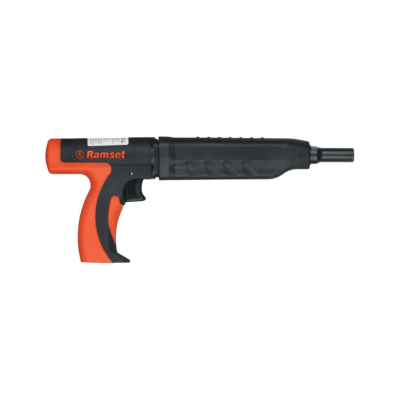
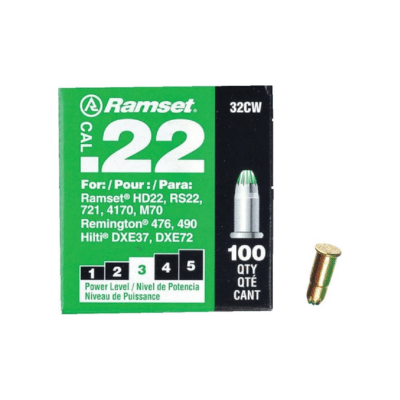
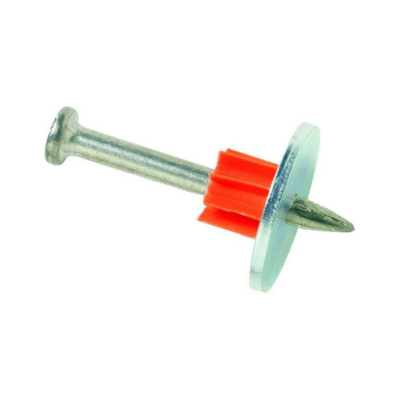
A Ramset powder-actuated tool is another option for framing your basement. It uses gunpowder (a blank charge) to drive a piston, which forces a nail (or pin) into concrete or masonry. This process is called direct fastening. There are other makers of this type of tool including Hilti. You can see a comparison of Ramset vs Hilti if you are planning to use a powder actuated tool. Most homeowners will end up with a Ramset tool over a Hilti. Since no pre-drilling is required, it is significantly faster than using a hammer drill and Tapcon screws. For fastening 2x material to concrete, you need to select both the correct pin length and power level. A general rule is to add about 1” to the material thickness. For 2x material, that means using a 2-1/2” pin. If you are using treated lumber, choose pins with coatings approved for ACQ lumber. For ¾” material, use a 1-1/2” nail. I prefer pins with washers, as they provide better holding power and help prevent overdriving. However, for furring strips, you may not want a washer.
Selecting the correct power level is important for both performance and safety. Power levels are identified by color: Some tools allow power adjustment, but I recommend keeping the tool at full power and adjusting by changing load levels—it keeps the tool cleaner. Start with the lowest power level and test. You want the pin to set enough to compress the plastic fluting. Increase power until you achieve the desired result.
One advantage of a Ramset is that it can fasten directly to steel columns and beams. If the steel is at least as thick as the nail, it will work. When fastening to steel, add ½” to the material thickness. So for 2x material, you would use a 2” pin. Ramset and DeWalt also make 1-7/8” pins with thicker shanks specifically for this application.
Ramset tools require more safety precautions, including safety glasses, hearing protection, and gloves. OSHA also requires training, which can be completed quickly online. While many homeowners skip this step, I strongly recommend it—it improves both safety and effectiveness.
The Ramset tool itself, proper nails/pins, a range of power loads and online training.
So, what’s better for framing your basement—Tapcon or Ramset? For small, simple jobs, Tapcon is often the better choice since the tools are useful for other DIY projects. For speed—especially on larger jobs or when fastening to steel—the Ramset is hard to beat.
Tapcon vs Ramset comparison: See the key differences in speed, tools, and best use cases below.
Tapcon vs Ramset: Which Is Better for Basement Framing?
Tapcon
Find Tapcon And Tools To Install On Amazon
Tools Needed for Installing Tapcon
When to Use Tapcon (Pros and Cons)
Ramset
Find Ramset And Supplies On Amazon
Additional Capability
Safety
What Do You Need to Use a Ramset?
When to Use Ramset (Pros and Cons)
Pros of Ramset
Cons
Final Thoughts
Tapcon vs Ramset: Comparison Chart
Feature
Tapcon
Ramset
Type of Fastener
Concrete screw
Powder-actuated nail (pin)
Installation Method
Drill hole + drive screw
Fire pin into concrete (no pre-drill)
Speed
Slower
Much faster
Tools Required
Hammer drill + driver
Ramset tool + powder loads
Ease of Use
Easy, beginner-friendly
Easy, but requires basic training
Holding Power
Higher holding value
Good holding value
Removability
Yes (removable)
No (permanent)
Best For
Small jobs, furring strips
Large jobs, framing, steel fastening
Works on Steel
No
Yes
Noise Level
Low
Loud
Safety Requirements
Minimal
Higher (PPE + training)
Cost (Per Fastener)
Slightly less but more time
Slightly higher but less time
Precision
High
Moderate (can overdrive)